Foundations are where building in Weld County starts, and since June 15, 2026 they are also where plan review starts. Unincorporated Weld County adopted the 2024 International Building Code effective that date, with engineered foundation designs required for most new structures. Industrial owners looking at Severance parcels, inside or outside town limits, should expect to see an engineer's stamp on the slab and footing design before anyone breaks ground, and we plan our projects that way.
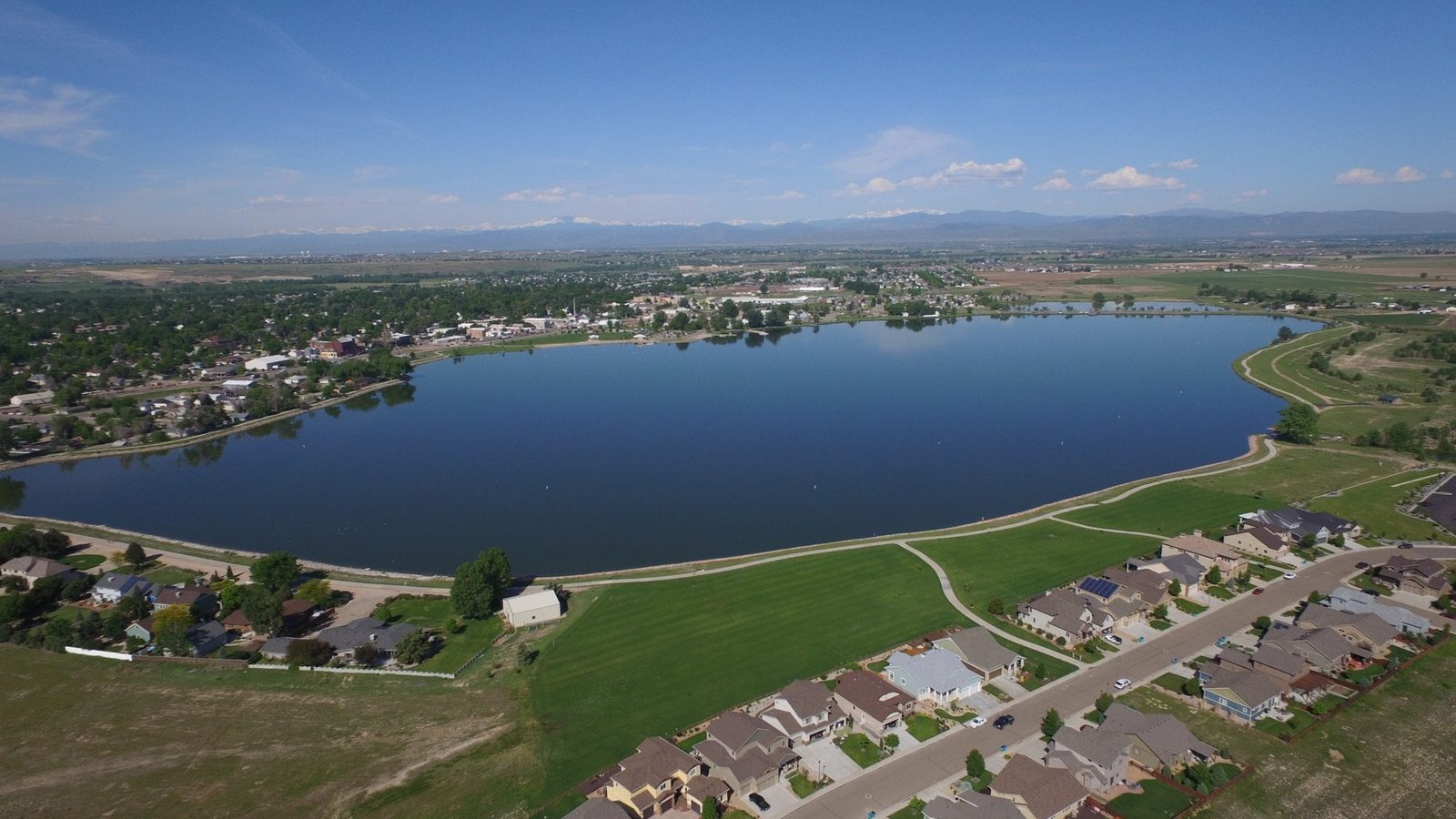
Severance sits at 4,876 feet in Weld County on 9.19 square miles, and grew from 3,165 residents in 2010 to 7,683 in 2020, with a 2025 estimate of 11,841. Agriculture remains the town's primary industry despite recent residential construction, which tells you what kind of buildings the surrounding land supports: equipment shops, storage and processing buildings, truck yards and the small commercial base that serves a growing town.
Whether a particular parcel is within the town or in the county changes who permits it, who provides services and which code edition applies. We resolve that question before design begins.
Engineered Foundations and the Code Edition
The Weld County action sets a direction even for parcels reviewed by a town. Engineered foundations are the norm because expansive soils, variable groundwater and heavy equipment loads are common on the plains. We commission a geotechnical investigation before design, hand the findings to the structural engineer, and carry the recommended footing, slab and subgrade preparation in the bid. Where the soils call for over-excavation and replacement or a thicker slab, owners see that cost on the first estimate and not as a change order.
A parcel inside the town of Severance follows the town's adopted code, which we confirm with the building official instead of assuming. Colorado applies building codes locally, not statewide, and the state energy floor under HB22-1362 sits on top of whichever edition applies. We carry both into the drawings.
Equipment Pads, Shops and Storage Buildings
The industrial work around a town like Severance is often unglamorous and valuable. A service company needs a shop with a wash bay and a yard, a producer needs a processing room and a cold dock, and an operator needs a pad for a compressor or generator and a gravel truck court. We build these with the same attention to drainage and loading that we give larger plants.
Our maintenance shops and service bays are laid out for the vehicles they serve, with door heights, floor drains, oil separation and ventilation settled early. Heavy equipment sits on equipment pads and foundations designed to the manufacturer's loads and vibration limits, and anything with a fuel tank gets containment.
Agricultural and Food-Related Users
With agriculture still the main local industry, the owners who ask us about Severance parcels often work in or near food and beverage: storage, packing, small-scale processing and distribution. A food building has requirements an ordinary warehouse does not, including washable surfaces, floor slopes to drains, controlled temperature areas and room for sanitation.
Others are contractors and equipment dealers who prefer a lower-cost lot and easy access to the highway system. State Highway 257 is the local spine for them. It is an 18.478 mile route that starts at State Highway 60 in Milliken, briefly joins State Highway 392 in Windsor, and ends at State Highway 14 on the northwestern edge of Severance, so trucks can reach neighboring towns without entering Fort Collins.
Trails, Rail Corridors and Open Land
The Great Western Bike and Pedestrian Trail runs through Severance along the former Great Western Railway route. A trail that follows an old rail bed is a public amenity that site planning has to respect, with setbacks, crossings and sight lines that affect truck access. We note the corridor in the site layout and plan driveways so that trucks and trail users can see each other.
Open farmland also means irrigation ditches and laterals that cross parcels. Crossing or relocating a ditch needs an agreement with its owner, and the owner's schedule is not ours. We ask about ditches in the first site walk and carry the agreement time in the schedule.
Where the Money Goes on a Plains Site
On open Weld County ground the building is rarely the surprise. Soil preparation, the cost of bringing power and water to the lot, and the truck court are. A site with expansive clay may need a deeper layer of engineered fill under the slab, and a lot far from a three-phase power line may need a transformer and a long extension. We obtain utility letters and a geotechnical report during the feasibility stage, which lets us give a budget that includes both.
Truck areas deserve attention because they take the heaviest abuse. A concrete apron at the dock and a thick, well-drained aggregate or asphalt section in the yard last far longer than a thin one, and our truck court and trailer yard designs carry the extra thickness where the wheel loads concentrate.
Sites Nearby and Related Work
Severance's neighbors share much of its market. Milliken is at the other end of the highway, and Windsor has a larger industrial base for users who need rail. When a client is weighing sites across the three, we compare them on utilities, access and permitting.
For land that needs its first road or pad, our site clearing and mass grading work is the starting point, and a stabilized yard follows when the use requires it. We price those items separately so the owner can build in stages.
Start With the Parcel and the Soils Report
Tell us the parcel, the use and whether you already have a geotechnical report. We will sort out the review authority and return a foundation and site plan.
Common Questions
What does an engineered foundation require?
An engineer designs the footing, slab and subgrade preparation from a geotechnical report. That generally means soil borings, a recommendation for bearing capacity and any needed over-excavation, and stamped drawings. It adds a few weeks of design time and a modest cost, and it prevents settlement problems later.
Does town or county review apply to my parcel?
It depends on whether the parcel is inside Severance's limits. Inside the limits, the town reviews and inspects. Outside them, the county does, under the code it adopted effective June 15, 2026. A county parcel records office or the town planner can confirm the boundary.
How do we deal with an irrigation ditch on the site?
By agreement with the ditch company. Options include piping the ditch, relocating it or building a crossing. We bring the ditch owner into the conversation early and plan the construction so the ditch is in service when the irrigation season starts.
Are food-grade buildings much more expensive than a standard shell?
The shell costs about the same, but the finishes, drains, mechanical systems and sanitation features add to the total. We separate those items so owners can choose which to build now and which to leave for a later phase.
How do trucks reach I-25 from Severance?
By the state highways around town, chiefly State Highway 257 and State Highway 14, which lead toward the neighboring towns and the interstate corridor. We evaluate the haul route during site selection, since a poor intersection or a weight-restricted bridge affects operating cost more than the building does.
Related
Related Services
Related Service Areas
Ready to talk about your project?
Request a Project ReviewOne project team for the whole sequence
Industrial Contractors of Fort Collins reviews the site, the loads, the schedule and the approvals before pricing, then schedules, coordinates and inspects the specialty trade partners from preconstruction through closeout.