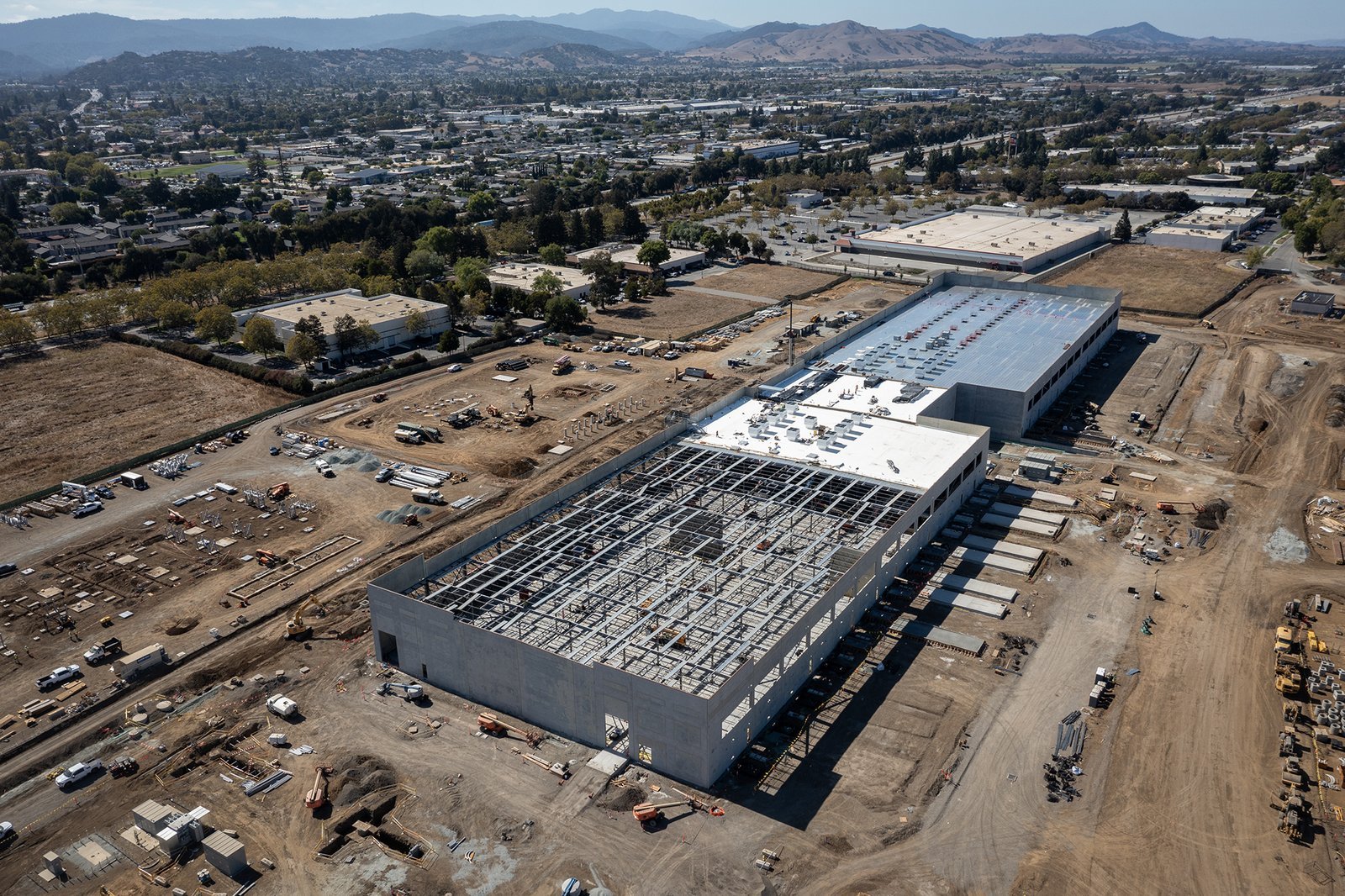
Two jurisdictions can adopt the same 2024 International Building Code and still ask for different things at the counter. Fort Collins applies local amendments to it for permits submitted on or after April 1, 2026, and unincorporated Weld County adopted it effective June 15, 2026 with engineered foundation designs required for most new structures. A permit set written for one will not clear the other without edits, and that gap is where industrial schedules lose weeks.
Entitlements come before permits and carry their own risk. Zoning confirmation, site plan review, access permits, drainage approval and the utility provider's will-serve commitments all have to line up before a building permit has anything to attach to. We coordinate those steps for owners who would rather spend their time on the process than on the counter, and we do it as part of the same team that will build the project.
The point is not to hurry an approval. It is to submit a complete package once, to know which agency holds each decision, and to keep the construction schedule tied to real review dates.
Codes in force across the northern Front Range
Colorado does not have one commercial building code. Adoption is jurisdiction by jurisdiction: a Home Builders Association of Metro Denver tracker dated January 20, 2026 shows Adams County, Arvada and Castle Rock on the 2018 codes, Aurora and Arapahoe County on 2021, and Boulder, Golden and Cherry Hills Village on 2024. Northern Colorado follows the same pattern, so we verify the edition and local amendments for each parcel before the first drawing is issued.
Energy requirements add a state layer. HB22-1362 requires a county or municipality that updates its building code on or after July 1, 2023 to adopt an energy code at least as demanding as the 2021 IECC, with the state low energy and carbon code becoming the benchmark from July 1, 2026. We read this alongside the local code so the envelope, lighting and mechanical design meet the standard that applies on the day of submittal.
How we sequence reviews
We begin with a pre-application meeting where the jurisdiction allows one, bringing a site plan, a building footprint, the intended use and a list of the utilities the process needs. The meeting tells us which departments will review, what they expect to see, and what the typical comment cycle looks like. We write that down and carry it into the schedule as dated activities.
Packages are then submitted in the order that unlocks the most work. Grading and erosion control usually go first so earthwork can start while the building set is reviewed. Utility extensions follow, then the building permit, then specialty permits for fire protection, electrical service and tenant-specific process equipment. Our preconstruction services feed the application with the information that reviewers ask for, which reduces comment rounds.
Jurisdictions we work across
The northern Front Range crosses several jurisdictions in a short drive. Loveland is reached along US 34 and sits at its intersection with I-25 and US 287. Greeley is served by US 34 and US 85, with the Cache la Poudre and South Platte rivers shaping its drainage. Severance lies in Weld County along State Highway 257, where agriculture remains the primary industry.
Each of these communities sets its own review process, fees and design standards, and a few parcels sit in unincorporated county ground with different rules again. A food and beverage plant at Eaton, Windsor or Johnstown may see three different review authorities within a single year of work. We keep a running record of the contact, the code edition and the typical review time for each, and we update it with every submittal.
Review time as a scheduled activity
Review time belongs on the schedule as a line item with a start and an end, not as a hope. We assign each submittal a planned review duration based on the jurisdiction's own guidance, add the time to respond to comments, and show the resulting dates to the owner. When a reviewer returns a comment, we answer it quickly and track the effect on the dates.
Early release strategies help. Where the jurisdiction allows it, site and foundation packages can be issued before the full building set clears, so the crew is working while the review runs. That choice carries risk if the final design changes the footprint, and we explain that risk plainly so the owner decides with the facts. Coordination continues into commissioning, turnover and closeout, where final inspections and the certificate of occupancy depend on a clean record.
Floodplain, drainage and access
Rivers set many of the entitlement questions here. Four days of heavy rain in September 2013 flooded Loveland along the Big Thompson River and closed roads, and the Cache la Poudre River continues to produce periodic flooding in Fort Collins. A parcel near either river may sit in a mapped floodplain or may drain toward one, which changes grading, finished floor elevations and the stormwater approval. We raise it during site selection through stormwater detention and drainage design.
Access is the other recurring condition. Truck traffic leaving a plant needs a driveway permit, a turning analysis and sometimes an improvement to the adjacent road. When a CDOT corridor is involved, as along State Highway 14 and the interchange at I-25 exit 269, the process adds another agency. We identify those requirements at the start so the owner sees them in the budget and the dates.
Hand us the parcel before you file
Share the address, the use and the building size, and we will map every approval it needs and the order to pursue them.
Common Questions
How long does a building permit review take for an industrial project?
It varies by jurisdiction, project size and how complete the submittal is. We do not promise a number. Instead we obtain the jurisdiction's own review guidance, plan for at least one round of comments, and show the review as a dated activity on the schedule. Complete drawings and a clear code analysis shorten the cycle more than any other step.
Who is responsible for utility approvals?
The utility provider approves its own extensions, and the owner or builder applies. We coordinate the application, gather the load information from your process team, and track the provider's design and construction timeline. Electric service is often the longest item, so we start it early.
Does the 2024 code edition change what we build?
It changes details more than concepts. Energy, envelope and commissioning requirements are where owners notice it. Fort Collins publishes a commissioning fact sheet and checklist and requires commercial air leakage testing with its 2024 code set, and we price those tasks into the project from the beginning.
Can we start site work before the building permit is issued?
In many jurisdictions a grading or site development permit can be issued first. That lets earthwork and underground utilities proceed while the building set is under review. We confirm what is allowed for your parcel and explain the risk of building ahead of a final design.
What if the parcel is in unincorporated Weld County?
County rules apply, including the 2024 International Building Code adopted effective June 15, 2026 and the requirement for engineered foundation designs for most new structures. We submit to the county and coordinate any separate approvals from the nearest town or special district.
Related
Related Services
Related Service Areas
Ready to talk about your project?
Request a Project ReviewOne project team for the whole sequence
Industrial Contractors of Fort Collins reviews the site, the loads, the schedule and the approvals before pricing, then schedules, coordinates and inspects the specialty trade partners from preconstruction through closeout.