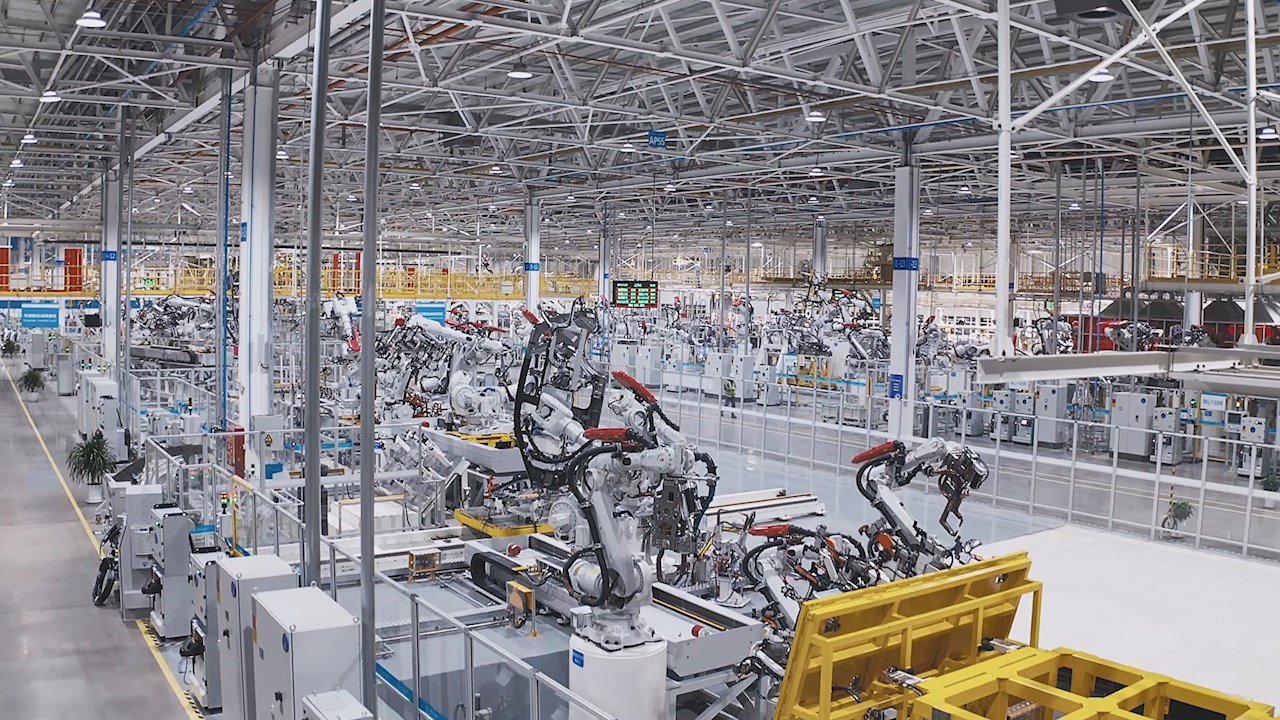
A charging yard looks simple until the utility is asked for the load. Twenty delivery vans plugged in overnight can need more electrical capacity than the building next to them, and a service upgrade, a transformer and a switchgear room may cost more than the paving. Automotive and electric vehicle owners on the northern Front Range run into this early, whether they operate fleets, service customers' vehicles, test powertrains or make parts for those who do. We build facilities for them with the electrical path, the vehicle flow and the building planned together.
The region's strength in this sector leans toward testing, service and suppliers more than vehicle assembly. Colorado State University's Powerhouse Energy Campus hosts 26 labs and research groups, with focus areas that include large-scale engine testing and hydrogen and electric vehicle testing. The adjoining Engines and Energy Conversion Laboratory expansion on North College Avenue added 65,000 square feet at a cost of $18.5 million. Industry users in the corridor benefit from that research base and from the skills it develops.
Where automotive and EV work fits on the Front Range
Fleet operators, dealership groups, collision and repair shops, and component suppliers all use industrial and flex space. New buildings in the Timberline and Prospect area suit them: a newly built 24,000 square foot industrial building at the southeast corner of I-25 and Prospect Road, built in 2025, offers suites from 3,000 to 24,000 square feet, 12 foot by 12 foot and 14 foot by 14 foot overhead doors and about 0.6 acres of fenced yard with room for about 3.5 more acres. That format fits service bays, vehicle upfit and fleet parking.
Older flex buildings in the same area, such as Prospect East Business Park, which totals 9,920 square feet and was built in 1984, serve smaller shops. Evans, near Highways 85 and 34 and I-25, has three new industrial buildings on Brantner Road, built in 2025. Owners comparing these locations should note that access to I-25 and to Highway 14 shapes service radius and delivery routes.
Buildings for service, fleet and test work
A service building needs bays tall enough for lifts, floors sloped to drains, oil and sand separation, ventilation for exhaust and fire protection suited to the work. We build those along with parts storage, customer reception and offices. For fleet depots, we add wash bays, fueling or charging areas, and dispatch space.
A test facility has other priorities, including heavy slabs, vibration isolation, exhaust handling and sometimes hydrogen safety provisions. Our automotive fleet facilities and maintenance shops and service bays pages describe the typical elements. For a large production or supplier plant, see our automotive and EV plant page.
Electrical capacity first
We start every EV project by asking how much power is needed now, how much later, and what the utility needs to provide it. A charging plan describes the number of chargers, their output and the duty cycle. The utility then determines whether the service can be provided and what upgrades are required. We begin the civil work and conduits while that review is under way, so the site is ready when the utility is.
The layout then follows. Chargers need parking stalls with room for cable reach, protection against vehicle impact, lighting and drainage. Large vehicles need turning room, and mixed fleets need separate routes. Our yard lighting and electrical site work covers the conduit, poles, panels and controls that support the charging layout. Fleet operators that also run delivery routes may find our e-commerce fulfillment page helpful.
Electric-ready codes and review
Colorado's HB22-1362 requires any county or municipality that updates a building code on or after July 1, 2023 to adopt an energy code with equivalent or better performance than the 2021 IECC and the state model electric and solar ready code. For an automotive or fleet building, that code can influence the provision of conduit and panel capacity for future chargers. We design with the code in mind and, where the owner wishes, size the infrastructure for future expansion.
Fort Collins treats the 2024 International Building Code with local amendments as current for permits submitted on or after April 1, 2026. Unincorporated Weld County has adopted the 2024 code as well, effective June 15, 2026. Because a service building involves fire protection, ventilation and hazardous materials storage, we hold early conversations with the building and fire officials so questions are settled before drawings are finished.
Corridors we serve
We serve Fort Collins, Loveland, Windsor, Greeley, Evans and Johnstown, among others. Interstate 25 runs along the east side of Fort Collins and US 287 becomes College Avenue through the city, while State Highway 14 leaves on Mulberry Street after an I-25 interchange. Those routes decide where service shops and depots gather.
The Timberline and Prospect industrial area is where small-bay and flex buildings gather, and the Powerhouse Energy Campus is a reference for research and test environments. Both are part of the Fort Collins market that shapes our automotive work.
Planning around utilities and vehicles
The schedule for an EV project is driven mostly by utility lead times, which may be longer than the construction itself. We place the utility application, switchgear and transformer submittals on the critical path from the first week and track them in every meeting. The building and site can be completed on time and still wait for power, so we try to avoid.
For existing depots, the challenge is to build while vehicles keep moving. We phase the work so that the fleet can park and be serviced in unaffected areas, and we schedule tie-ins and shutdowns for off hours. Owners who are looking at comparable programs for advanced manufacturing can see our approach to plants where equipment installation and building work overlap.
Planning a depot, service shop or test space?
Tell us the vehicle count, charging plan and bay needs. We will outline site, building and electrical scope with a schedule that accounts for the utility.
Common Questions
How much electrical capacity does a fleet charging yard need?
It depends on the number of vehicles, charger output and how long vehicles are parked. A depot with many vehicles charging overnight can need a substantial service upgrade. Your electrical engineer and the utility determine the answer, and we build the conduits, pads and civil work in step with their plan.
Can an existing service bay be adapted for electric vehicles?
Usually yes. The changes may include electrical capacity, ventilation, lifts rated for heavier vehicles and fire protection. We review the existing building with your service team and provide options with budget ranges.
What does a hydrogen or high-voltage test space require?
It requires specialized ventilation, gas detection, ignition source control and electrical isolation, all designed by the owner's engineers. We build the structure and systems to those designs and coordinate approvals with the fire official.
Where does it make sense to lease versus build?
A newer flex building with 12 foot or 14 foot doors and a fenced yard can be a fast start for a small fleet or shop. A build-to-suit makes sense if you need special bays, high power or space to expand. We can compare both against your operation.
Related
Related Services
Related Building Types
Related Industries
Related Service Areas
Ready to talk about your project?
Request a Project ReviewOne project team for the whole sequence
Industrial Contractors of Fort Collins reviews the site, the loads, the schedule and the approvals before pricing, then schedules, coordinates and inspects the specialty trade partners from preconstruction through closeout.